The Rise of Furry AI Characters: How Digital Personas Are Reshaping Online Creativity
The Rise of Furry AI Characters: How Digital Personas Are Reshaping Online Creativity
Over the past few years, a quiet but powerful shift has been taking place at the intersection of artificial intelligence and fan-driven creativity. What began as a niche interest among enthusiasts has blossomed into a full-blown phenomenon: the emergence of furry ai characters that can chat, roleplay, and evolve alongside their human users. These digital personas are not just static avatars; they are dynamic conversational partners powered by large language models, capable of remembering context, expressing personality, and offering a sense of companionship that feels surprisingly real.
For anyone who has spent time in online creative communities, this development is both exciting and logical. The furry fandom has always been at the forefront of digital self-expression, from early text-based MUDs to elaborate virtual worlds. Now, with AI, that tradition is entering a new chapter. This article explores what furry AI characters are, why they are gaining traction, how they are built, and what their rise means for the future of online interaction and storytelling.
What Exactly Are Furry AI Characters?
At their core, furry AI characters are anthropomorphic animal personas brought to life through artificial intelligence. Unlike a simple chatbot that responds with canned phrases, these characters are typically powered by large language models that have been fine-tuned or prompted to adopt a specific personality, backstory, and speaking style. A user might interact with a witty fox detective, a gentle wolf healer, or a mischievous cat hacker — each with their own quirks, memories, and emotional range.</n
The key difference between a generic AI assistant and a furry AI character lies in the depth of persona. These characters are designed to feel like individuals. They have preferences, moods, and even evolving storylines. Many platforms allow users to customize everything from species and appearance to personality traits and relationship dynamics. This level of personalization transforms a simple chat into an immersive roleplaying experience.
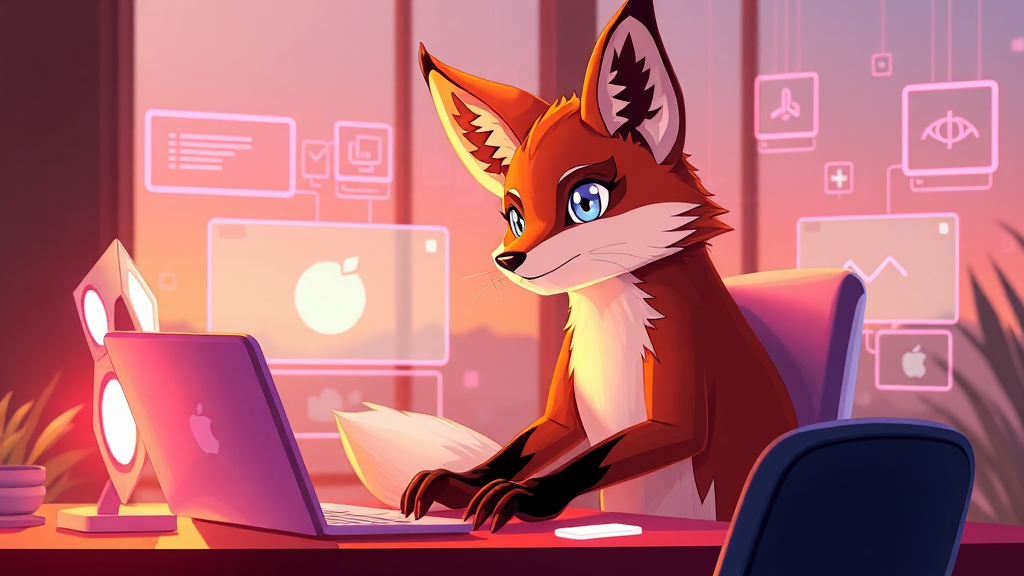
Another defining feature is the visual component. While some furry AI characters exist purely as text, many are paired with generated or hand-crafted artwork that gives them a face and a form. This combination of visual identity and conversational depth creates a powerful sense of presence, making the interaction feel more like talking to a friend than querying a database.
Why Furry AI Characters Are Gaining Popularity
The surge in popularity of furry AI characters can be attributed to several converging factors. First, the furry fandom itself is built on creativity and personal expression. Members often create fursonas — personalized animal avatars — to explore different aspects of their identity. AI takes this tradition and supercharges it, allowing a fursona to become an active conversational partner rather than just a static drawing.</n
Second, there is a growing demand for AI companions that offer more than utility. While virtual assistants help with tasks, furry AI characters provide emotional engagement, entertainment, and a safe space for imagination. In a digital world that can often feel impersonal, these characters offer warmth and playfulness. They are available at any hour, never judge, and can adapt to the user’s mood.
Third, the technology has finally caught up with the vision. Advances in natural language processing, memory retention, and character consistency have made it possible to sustain long, coherent conversations with a consistent persona. Earlier attempts at AI companions felt robotic or forgetful; modern furry AI characters can remember past interactions, reference inside jokes, and develop a shared history with their user.
Finally, the community aspect cannot be overlooked. Online forums, Discord servers, and social media groups dedicated to furry AI characters have sprung up, where users share their creations, exchange tips, and showcase memorable conversations. This sense of community accelerates adoption and drives innovation, as creators push the boundaries of what these characters can do.
How Furry AI Characters Are Created
Building a compelling furry AI character is part art and part science. Most creators start with a concept: a species, a name, a personality archetype. From there, they develop a backstory and define key traits — perhaps a shy but brilliant raccoon inventor or a bold, adventurous tiger pilot. These details form the foundation of the character’s identity.</n
Next comes the technical implementation. Many platforms offer user-friendly interfaces where creators can input personality descriptions, example dialogues, and behavioral guidelines. Under the hood, these inputs are used to condition a language model, shaping its responses to align with the character. Some creators go further, fine-tuning models on custom datasets to capture a unique voice or dialect.</n
Memory systems are another crucial component. To make a character feel consistent over time, the AI needs to remember previous conversations. This is typically achieved through a combination of short-term context windows and long-term memory stores that summarize or index past interactions. The best implementations allow a character to recall specific events, preferences, and relationship milestones.
Visual design often runs in parallel. Artists may create reference sheets, expressions, and poses for the character, which can then be used to generate avatars or illustrations. Some platforms integrate image generation directly, allowing users to visualize their character in new scenarios. The result is a cohesive, multi-sensory persona that feels alive both in text and in imagery.
The Role of Platforms and Communities
As interest in furry AI characters has grown, so too has the ecosystem of platforms that support them. Some are general-purpose AI chat services where users can create any persona they like, while others are specifically tailored to the furry community, offering features like species selection, tail and ear customization, and lore-friendly worldbuilding tools.</n
These platforms vary in their approach. Some emphasize ease of use, providing templates and quick-start guides. Others cater to power users with advanced scripting, API access, and deep customization options. The best platforms strike a balance, offering intuitive tools without sacrificing creative freedom.
Community hubs play an equally important role. On forums and social platforms, users share character profiles, discuss prompt engineering techniques, and collaborate on shared universes. These spaces foster a culture of experimentation and mutual support. Newcomers can learn from experienced creators, while veterans find fresh inspiration from the next generation.
It is worth noting that the line between creator and consumer is blurry in this space. Many users start by chatting with existing characters and eventually create their own. This participatory culture is one of the defining strengths of the furry AI character phenomenon.
Ethical and Creative Considerations
As with any emerging technology, furry AI characters raise important questions. One concerns consent and ownership. When a user creates a character, who owns it? What happens if that character is shared or remixed by others? Platforms are still developing policies to address these issues, and creators are encouraged to be thoughtful about how they license their work.</n
Another consideration is the emotional bond that can form between users and their AI characters. While these interactions can be deeply fulfilling, it is important to maintain perspective. AI characters are not sentient, and they cannot replace human relationships. Most users understand this intuitively, treating their characters as creative collaborators or entertainment rather than substitutes for real connection.</n
There is also the matter of representation and respect. The furry community is diverse, and AI characters should reflect that diversity without resorting to stereotypes. Creators have a responsibility to build characters that are respectful and inclusive, avoiding harmful tropes or offensive caricatures.
Finally, the environmental and computational costs of running large AI models are a growing concern. As the popularity of furry AI characters increases, so does the demand for server resources. Sustainable practices and efficient model design will be essential to ensure that this creative boom does not come at an unacceptable cost.
The Future of Furry AI Characters
Looking ahead, the potential for furry AI characters is vast. We can expect to see improvements in memory, emotional intelligence, and multimodal interaction. Imagine a character that can not only chat but also recognize your voice, respond to your expressions, and co-create stories with you in real time. The boundaries between game, social platform, and creative tool will continue to blur.</n
We may also see the rise of shared AI universes, where multiple users and their characters interact in persistent online worlds. These could become vibrant communities in their own right, with their own economies, politics, and cultures. The furry fandom, with its long history of worldbuilding, is uniquely positioned to lead in this area.</n
On a personal level, furry AI characters offer a new avenue for self-discovery. By creating and interacting with a persona, users can explore different facets of their personality in a safe, playful environment. This can be therapeutic, educational, and just plain fun.
Ultimately, the rise of furry AI characters is a testament to human creativity and our enduring desire to connect. Technology is simply the latest canvas on which we paint our stories. As the tools become more sophisticated, the stories will only become richer.
Frequently Asked Questions
What is a furry AI character?
A furry AI character is an anthropomorphic animal persona powered by artificial intelligence, typically a large language model. It can engage in conversations, roleplay, and develop a consistent personality over time. Users often customize the character’s species, appearance, and traits to create a unique companion or creative partner.
Are furry AI characters safe to use?
Most reputable platforms have safety measures in place, such as content moderation and privacy protections. However, users should always review a platform’s terms of service and privacy policy. As with any online interaction, it is wise to avoid sharing sensitive personal information and to treat AI characters as entertainment rather than substitutes for professional advice or human relationships.
Can I create my own furry AI character?
Yes, many platforms allow users to create custom characters. You typically start by defining a name, species, personality, and backstory. Some platforms offer advanced tools for fine-tuning behavior and memory. With a bit of creativity and experimentation, you can build a character that feels uniquely yours.
Do furry AI characters remember past conversations?
Many modern furry AI characters are designed with memory systems that allow them to recall previous interactions. This can range from simple context retention within a single session to long-term memory that persists across multiple conversations. The quality of memory varies by platform and implementation, but it is a key factor in making characters feel consistent and lifelike.
Is there a community for furry AI character enthusiasts?
Absolutely. Online forums, Discord servers, and social media groups dedicated to furry AI characters are thriving. These communities are great places to share your creations, learn from others, and stay updated on the latest tools and trends. Whether you are a beginner or an experienced creator, you will find a welcoming and creative crowd.
